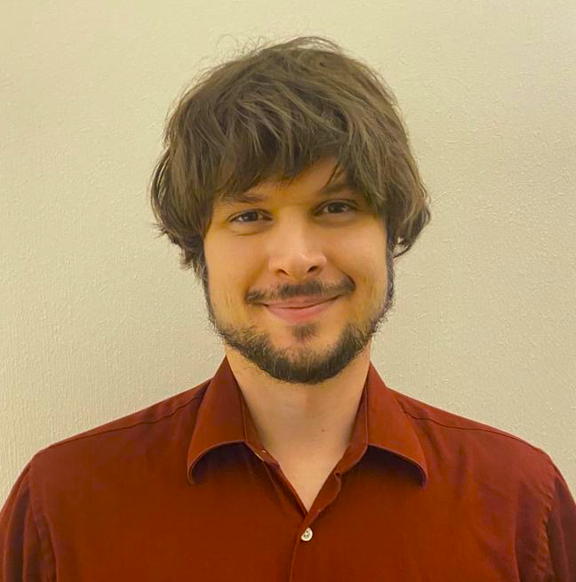
Patrick s. forscher
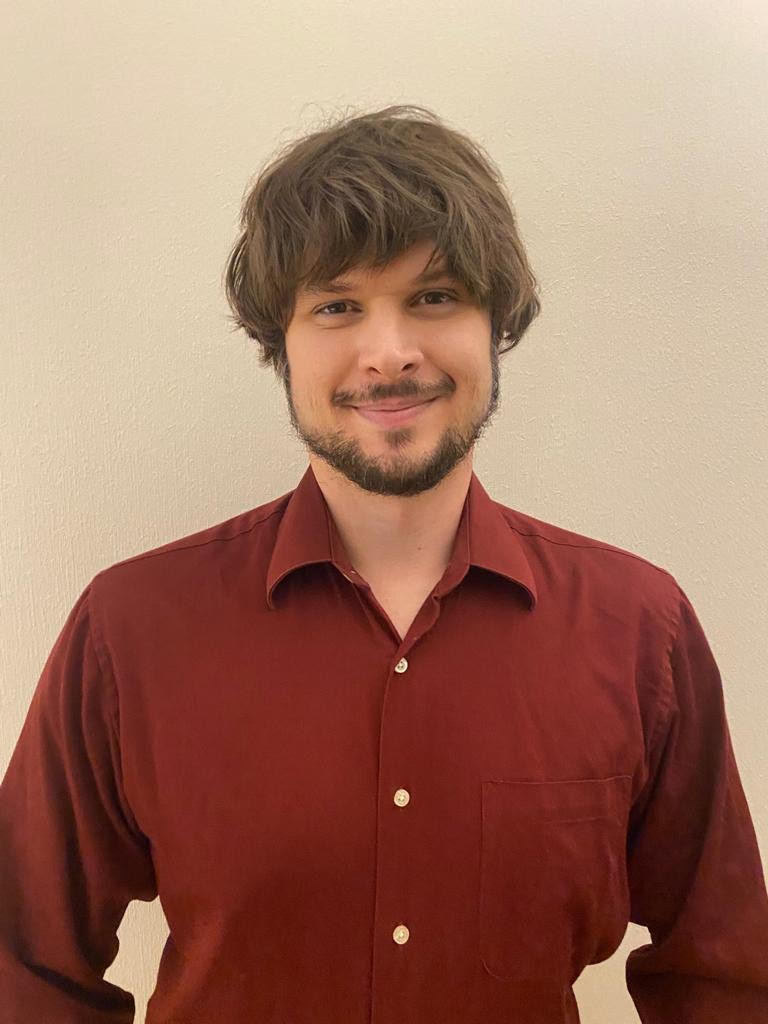
I’m an academic psychologist turned non-profit executive trying to make behavioral science more robust, useful, and fair.
Currently, I’m the Senior Behavioral Scientist at Busara, a non-profit that does behavioral science to advance global development. As such, I lead projects to identify and showcase the value of behavioral science in development, own our behavioral science strategy, and safeguard and advance the quality of our methods. I have a special interest in using research to improve the research process itself, a process called “meta-research”.
Earlier in my career, I worked as the Funding Lead at the Psychological Science Accelerator (PSA), a non-profit that does very large, collaborative, “big team science” psychology studies. I developed the PSA’s first funding strategy, developed its data management policies, led one of its studies, and served as methodologist and administrator for several others.
Before that I worked as an Assistant Professor at the University of Arkansas, where I taught psychology research methods and researched diversity and de-biasing interventions.
Connect with me:
IN PURSUIT OF RESEARCH IMPROVEMENT
Generalizability
The vast majority of behavioral science was conducted in the United States and Europe. This leaves unclear the extent to which this work can be usefully applied outside these regions. My team develops protocols to predict whether a given finding will apply to new settings. We also work to support and strengthen research ecosystems outside the United States and Europe to increase the prevalence of contextually appropriate research.
Research Ethics
The research world can be very different from the world of people who are the subject of research. This is especially true when researchers conduct research across countries, as is usually the case in the development sector. My team identifies the factors that raise the risk of unintended harms in research and develops protocols to mitigate these harms.
Methods
Studying human behavior is hard, especially in low-income settings where research may not be especially familiar or prevalent. My team develops and refines research methods so that they are valid and appropriate in the settings where Busara works. We work on both qualitative and quantitative methods, and have a special focus on participatory methods.
About my work
Here’s some cool places I’ve been featured in
My work has been featured in such places as the Atlantic, Vox, BBC News, and the Economist
Here’s some cool things I’ve written
I’ve written extensively, both for academic and non-academic outlets.
Here are some conferences I’ve helped organize
I’ve recently helped bring the annual conferences for two scientific societies to Nairobi
Here’s what I’m working on

The past decade has raised concerns about how research is conducted, evaluated, and disseminated. Fuelled by the replication crisis in psychology and allied disciplines, these concerns have spawned a movement that unites scholars from across the globe: the open science movement. The movement has produced and popularized a huge array of innovations to enhance the replicability of research and has even caught the notice of several large institutional actors. For example, the Biden administration declared 2023 the ‘year of open science’ in the United States. Internationally, UNESCO has collated and issued comprehensive recommendations for how member states can use and incorporate open science into policymaking. This interest has set in motion a broader movement and a dedicated academic subfield to improve how research is used in society. This movement, the meta-research movement, is the subject of this book.
Meta-research, sometimes called meta-science, is research focused on investigating the research process itself, often aiming to make concrete improvements. These improvements have, to date, primarily focused on improving the fundamental soundness of academic research. Due to its roots in the behavioral sciences, these improvements are also often behaviorally informed. For example, the meta-research innovation called “preregistration” involves a precommitment to a particular way of analyzing data before seeing it. This innovation is designed to reduce the risks that the analyst intentionally or unintentionally changes the analysis plan after seeing how the data turns out to suit their preferred interpretation. Although this innovation focuses on the basic soundness of research, the improvements sought by meta-researchers can, in principle, involve anything – including the problem areas that are the traditional focus of the global development community, such as north-south power differences, building healthy research ecosystems, and the treatment of participants or beneficiaries.
THE RESEARCH IMPROVEMENT TEAM
The Research Improvement guy
Patrick is the head of the Research Improvement team and ensures the team runs smoothly
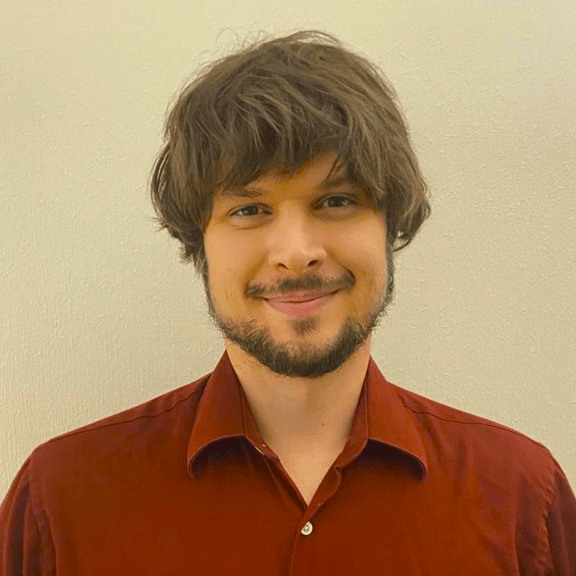
Patrick S. Forscher
Senior Behavioral Scientist
The ethics guy
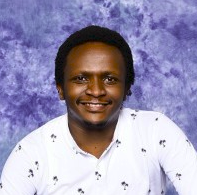
Joel manages the team’s ethics agenda and works to ensure that the participants in Busara research are treated with dignity and respect
Joel Wambua
Research Specialist
The participatory research guy
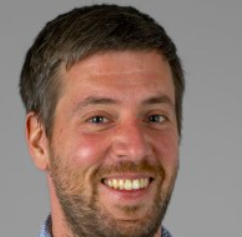
Mario is a former anthropologist and both oversees the quality of Busara’s qualitative methods and innovates to develop new anthropological and participatory methods that are relevant to Busara’s work in development
Mario Schmidt
Associate Director
FAQs
What do you do in Busara?
I’m the Senior Behavioral Scientist. This means that I lead projects to identify and showcase the value of behavioral science in development, own our behavioral science strategy, and safeguard and advance the quality of our methods.
What is meta-research?
Meta-research is research on research, often with an aim toward identifying problems in the research process and improving upon them
How is behavioral science used in development?
In the past, development projects were criticized for being top-down and for ignoring how people experienced these projects. Behavioral science, when done well, is a framework and toolkit for understanding people’s experiences and context and using these to improve development programming. You can read more about behavioral science in development here.
What is big team science?
Big team science is a style of massively collaborative scientific project in which many people contribute intellectual and non-intellectual resources to accomplish together projects too big in scale for any one person to accomplish individually. You can read more about this style of research here
Why do you no longer work on implicit bias?
I started my career researching diversity and de-biasing interventions, especially interventions to reduce implicit bias, a form of unintentional bias that, according to theory, can make even fair-minded people act in discriminatory ways. I did a big review of implicit bias interventions that convinced me that implicit bias theories did not have much merit and were not useful for making the world a fairer place. You can read my most recent views on the subject in this paper
Have more questions?
 Patrick S. Forscher